Gamma Camera Maintenance & Repair
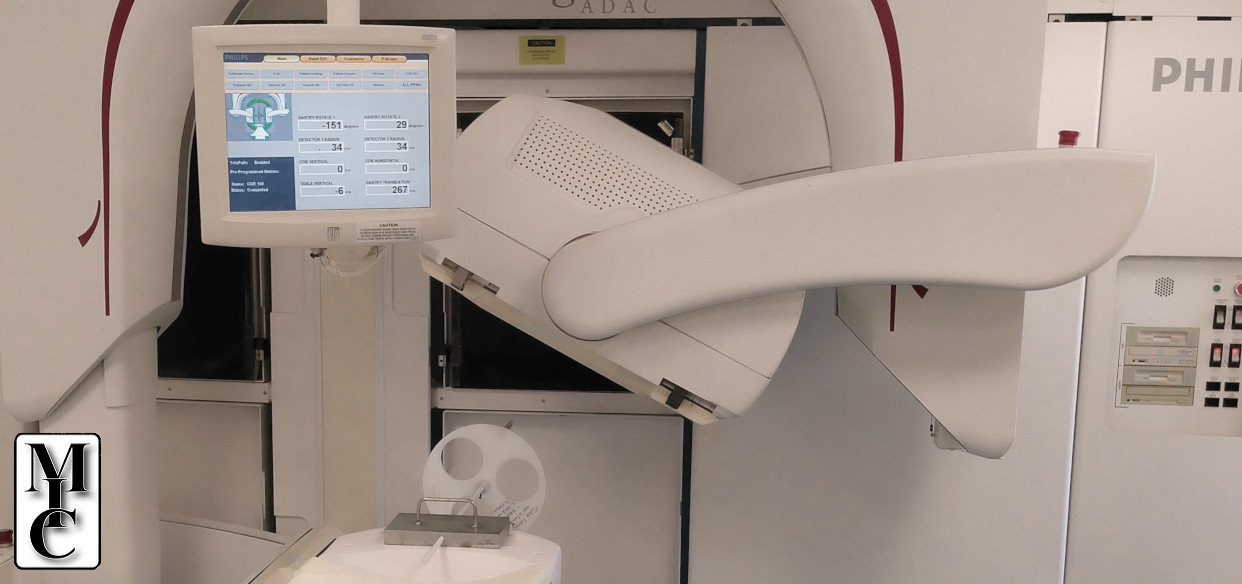
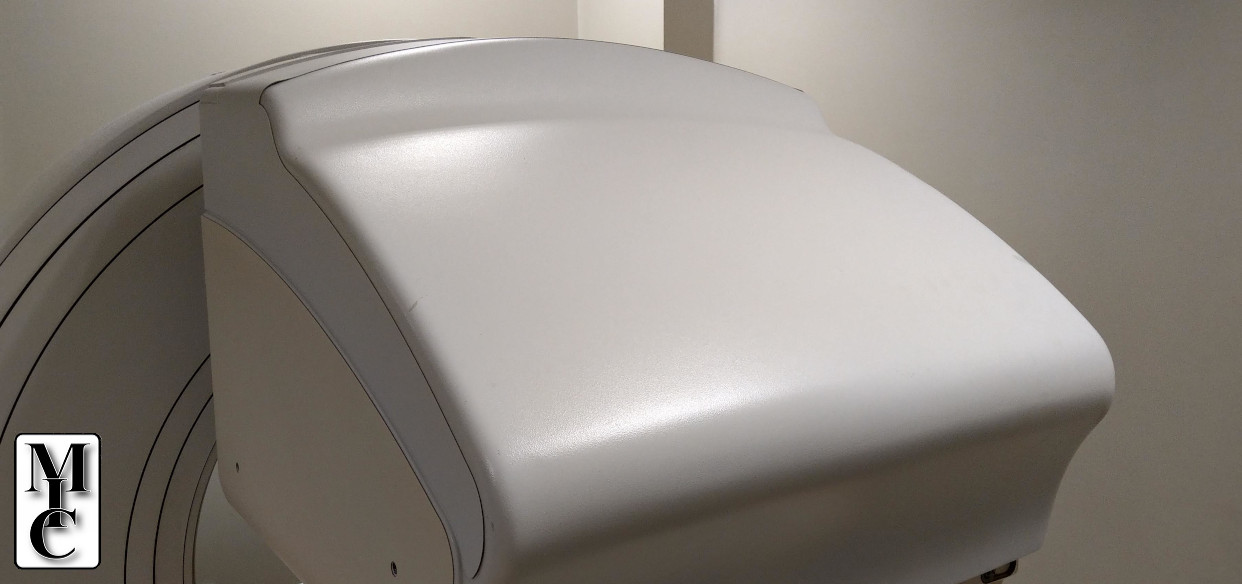
Medical Imaging Consultancy Ltd (MIC) specialise in the maintenance and repair of nuclear medicine gamma cameras manufactured by ADAC and Philips Medical Systems. The models of gamma camera we service include the Philips/ADAC Forte, Forte MCD, Argus and Skylight gamma cameras. The ADAC/Philips Pegasys & Jetstream Workspace computer systems are also supported.
Our engineers have many years of experience in maintaining diagnostic imaging equipment, including x-ray, CT and Nuclear.
We appreciate how important system reliability and uptime is to diagnostic imaging departments. With this in mind we minimise system downtime while maintaining the highest safety standards by taking steps to correct anything that may increase downtime.
Our engineers carry a comprehensive kit of parts in their cars, which means that systems are often repaired on the first visit.. No waiting for spares! Our spare parts stock is based in the UK keeping delivery time to a minimum.
For prompt camera service with minimum fuss and any long term ongoing faults corrected, then please contact us for a competitive quote.
Products and Services
Maintenance contracts are available for the following gamma camera systems.
Cardiac Gamma CamerasIS2/Positron PulseCDC
Dual Head General Purpose Gamma CamerasADAC/Philips Skylight
ADAC/Philips Forte
Single Head General Purpose Gamma CamerasArgus
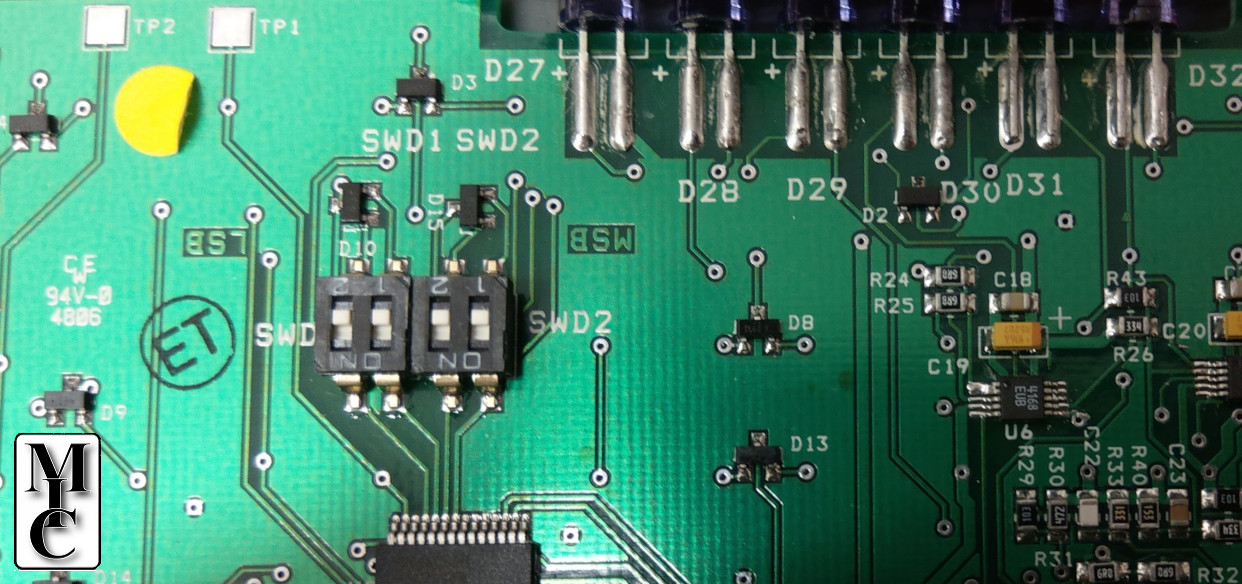
OEM replacement parts
We have a large and comprehensive stock of replacement parts that are available for purchase for the Skylight, Forte, Argus and IS2 Pulse gamma cameras. If you are interested in purchasing parts for any of our supported gamma cameras, please send us a email at sales@mic-nucmed.co.uk or give us a ring on +44(0)7736 236401
CONTACT
Company AddressMIC Ltd
34 Priors Keep
Fleet
Hampshire
United Kingdom
GU52 7LB
Registered Office
143-145 Stanwell Road
Ashford
Middlesex. TW15 3QN
United Kingdom
Registered in England
No.4251968
Registered VAT No.
781327816
service@mic-nucmed.co.uk
sales@mic-nucmed.co.uk
Interested? Drop us a note!
Powered by w3.css
